
Movement that Matters
Enhancing Reablement Practice at Positive Step with Dance On
Context and Need
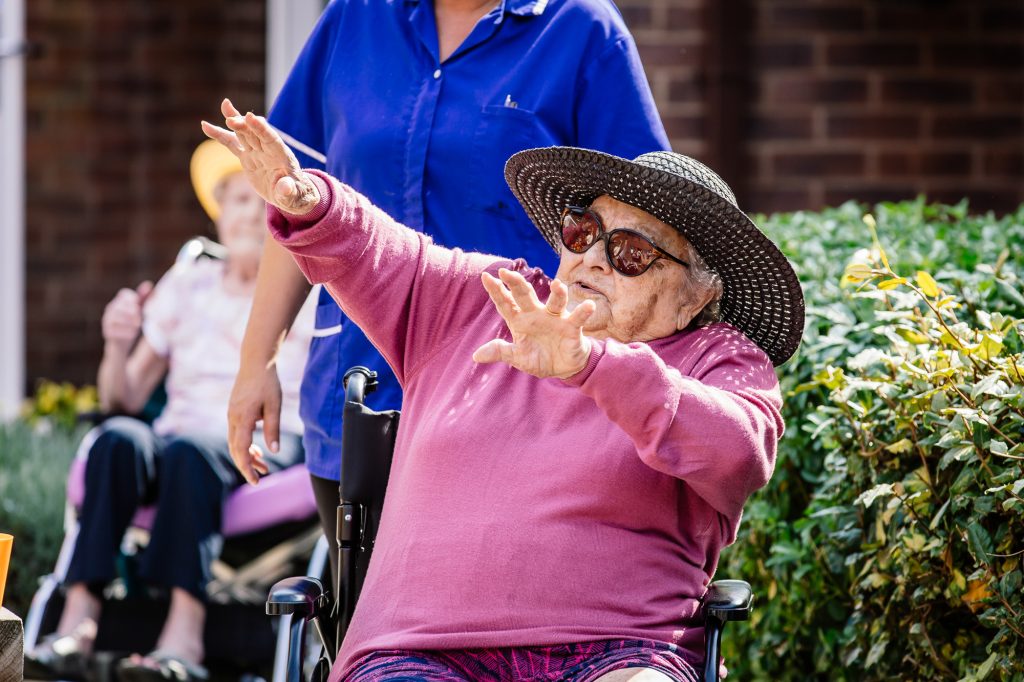
Positive Step is a reablement and assessment unit in Bentley with capacity for 33 guests. Reablement units support people who have experienced a decline in health or increased support needs, often following a hospital stay, helping them regain confidence, skills and independence in everyday activities. Most guests receive care for one to two weeks, though some stay for up to six weeks.
Staff at Positive Step approached darts after learning about our Dance On programme. They recognised that dance could benefit their guests but lacked confidence in safely delivering movement activities for people with complex support needs. They told us:
"We were wanting to focus more on building strength specifically with a view to improving our guest ability to transition from a wheelchair to a chair, but weren't sure how to go about this in a group setting.”
About Dance On
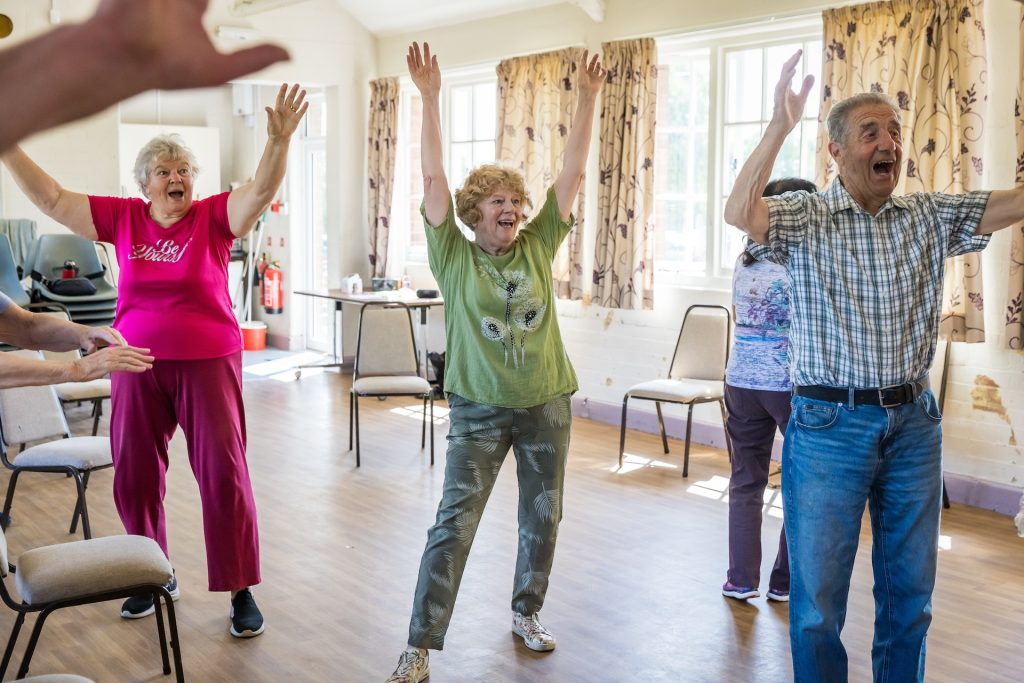
Dance On is darts’ programme for inactive adults over 50 across Doncaster. Sessions are fun, social, and designed to raise activity levels while reducing isolation. Designed to be suitable for all abilities and mobilities, Dance On can be fully adapted to ensure inclusivity and accessibility. Our dance team comprises highly skilled, professional artists with specialist training including falls prevention, enabling us to tailor sessions safely for diverse groups.
Over seven years, we have worked closely with the University of Leeds to study Dance On’s impact. Research demonstrates that the programme offers significant opportunities to improve health and wellbeing in older adults by increasing physical activity levels and modifying both physical risk factors (balance) and psychosocial risk factors (fear of falling) associated with falls.
The Challenge
While Positive Step staff understood the potential benefits of dance for their guests, the reablement setting presented unique challenges. Guests arrive with varying levels of mobility, confidence and health conditions. Many are recovering from illness or injury and may be anxious about movement. Staff needed not just dance skills but also the knowledge and confidence to assess individual capabilities, encourage participation without pressure, and create an environment where guests felt safe to take part at their own pace.
What We Did
Co-design and Development
Dance Development Core Artist and Dance On Programme Manager Charlotte Armitage met with the Positive Step team to understand their needs and co-design a plan to bring creative movement into the reablement setting. In August 2025, Charlotte began working directly with Positive Step staff to establish a sustainable dance programme tailored to their guests.
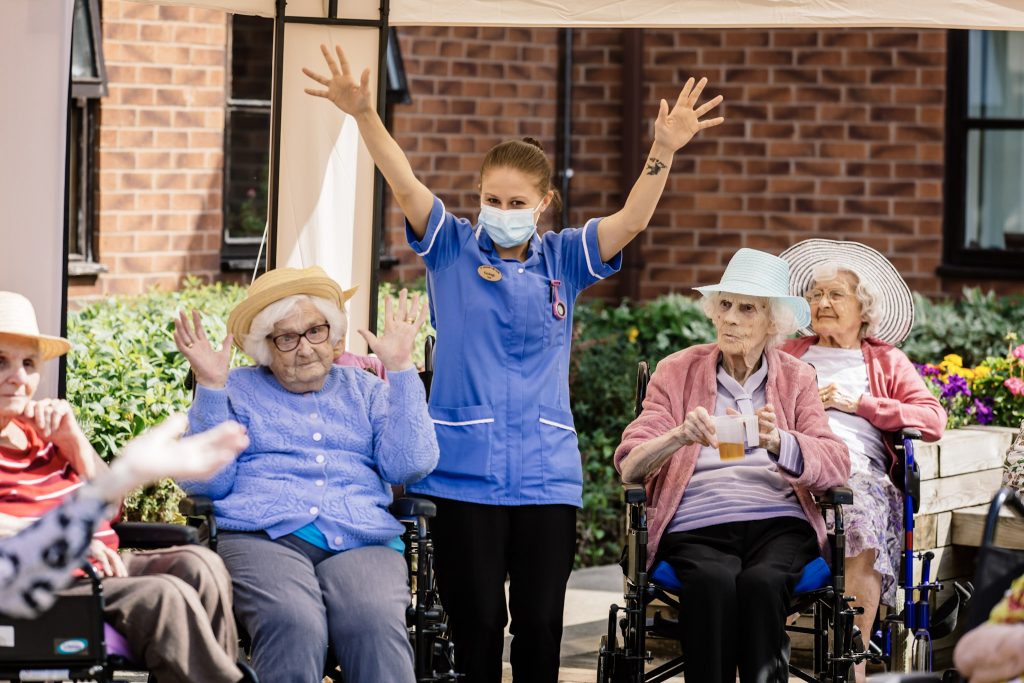
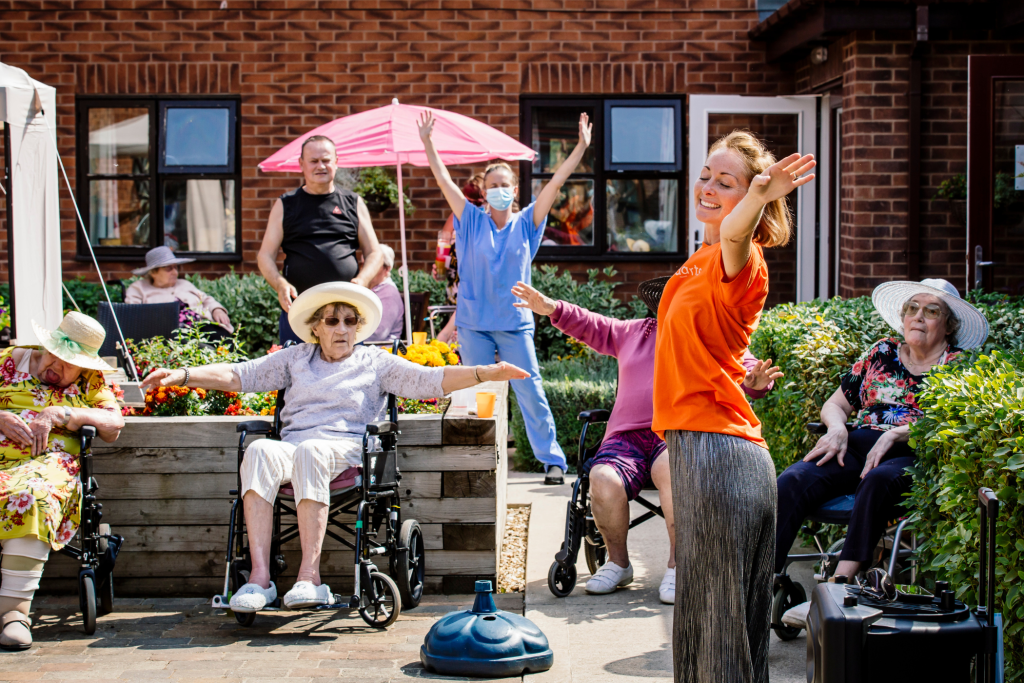
Sessions incorporated familiar music with opportunities to sing along, creating an atmosphere where guests felt fully included without being singled out or put ‘on view.’ Based on a flexible ‘recipe of ingredients’, sessions could be adapted according to the people in the room while maintaining consistency, quality and safety. Each one included a mix of:
- Joint mobilisers (such as circling wrists and ankles) to gently warm up the body
- Raised cardio through upbeat movement
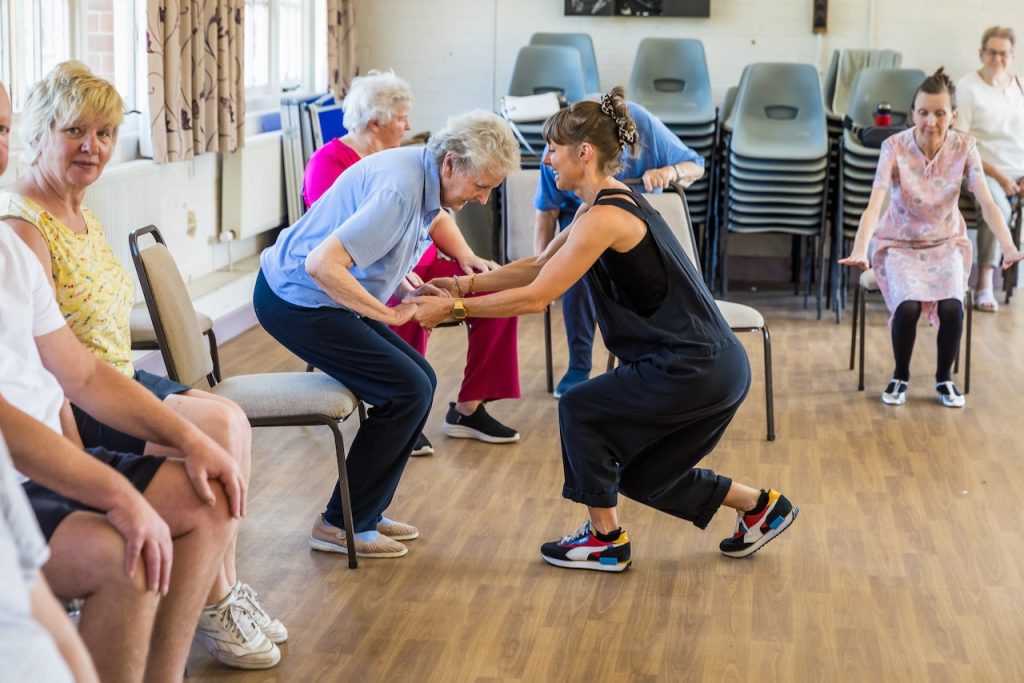
- Balance and strength work using chairs for support if needed
- Connection activities like partner work to build social engagement
- Creative elements using props, imagination or visualisation
- Stretches to extend muscles and increase range of movement
- Breath work to promote focus and calm
- Relaxation time
Training and Capacity Building
Charlotte delivered the programme through a phased approach: initially weekly sessions, tapering to fortnightly, then monthly. This allowed her to model the Dance On approach while gradually building staff confidence and capability to deliver their own movement sessions independently, in between her visits. During each session, Charlotte worked alongside Activity Coordinators, upskilling them in community delivery techniques such as:
- Reading and responding to individual needs and comfort levels
- Working sensitively with guests who were reticent, low in mood, or physically uncomfortable
- Adapting activities in the moment based on guest responses
- Language and communication strategies that gave guests autonomy over their participation
Charlotte demonstrated a shift from traditional activity delivery to a guest-led model. Rather than directing or prescribing movement in the way guests might be used to in 1-1 physiotherapy sessions for example, she showed staff how to offer choices and empower individuals to take control of their own recovery journey. The focus was on what guests could do, not what they couldn’t.
Outcomes and Impact
Cultural Shift in the Use of Space
When Charlotte first began attending Positive Step, the main activity room was filled with physiotherapy equipment. Staff had primarily used this as a meeting space, delivering activities in the individual lounges across the three separate wards. Charlotte encouraged staff to invite all guests to join together in the main room. Although sessions were initially squeezed into the middle, surrounded by tables and other equipment, over time, staff attitudes began to shift. They became more confident in asserting that this room had a purpose and took ownership of the space. The room was transformed from a storage area and ad-hoc meeting space into a valued hub for meaningful creative activity.
Growing Confidence and Strengthened Relationships
As non-dancers, staff were understandably nervous at first, particularly about delivering movement with guests with complex needs. However, as they observed guests’ confidence, energy and strength increase week by week, they began to appreciate the underlying ‘why’ of what they were trying to achieve. This wasn’t just about filling time in the guests’ daily schedule – it was about doing something important to support their recovery and build independence:
"We can include this in each of our units on a regular basis now so that we are really using the session to get our guests active, connective and improving in their confidence."
Through the shared experience of learning and moving together, staff built stronger, more trusting relationships with guests. This trust extended beyond the dance sessions themselves. Staff reported that when they needed to support guests with everyday care activities such as toileting, dressing and feeding, there was greater rapport and understanding that made these interactions easier and more dignified. Staff also observed that guests who had taken part in movement sessions ate better afterwards, were in better spirits and were generally easier to work with throughout the day. The benefits rippled outwards, improving the overall atmosphere and care experience in the unit.
Understanding Community and Connection
While staff at Positive Step already understood the importance of physical activity, working with Charlotte deepened their appreciation of creativity, community and social connection as essential components of rehabilitation. They came to recognise that a sense of belonging, encouragement and shared experience can only be achieved through group sessions. Staff began to see creative movement not as an optional extra, but as a valuable tool that supported guests’ overall recovery and independence. Staff told us:
"We feel more able to make Dance On and our seated exercise offer more of an expectation for our guests and their families so that they see it as part of their reablement, and other staff also see it as a vital part of their recovery, rather than just a fun activity. It is changing the perspective"
Changes in Language and Communication
The way staff talk about and promote the sessions at Positive Step has evolved significantly since sessions began. Where previously, they might have simply said ‘come and do some dancing and singing’, they now frame the sessions in terms of the tangible physical benefits and rehabilitation goals. This shift in language seems to have been particularly effective in encouraging men to participate. Referring to ‘movement medicine’ rather than ‘dance’ helps guests feel the activity is a legitimate part of their care, reducing self-consciousness about taking part and fostering a sense of agency over their rehabilitation.
Key Success Factors
Practical Resources and Accessible Tools
Charlotte provided Positive Step staff with concrete resources they could use independently: access to her playlists and a booklet containing six session plans. Given that guests typically stay at the unit for relatively short periods, these plans can be repeated without detracting from their experience, giving staff confidence that they have ready-made, tried and tested content to draw on. Importantly, Charlotte ensured that props and equipment were minimal, accessible and low-budget, demonstrating that effective sessions didn’t require significant investment. However, staff became so enthusiastic about the approach that they went on to purchase additional props themselves – a clear sign of ownership and commitment!
Learning Through Observation and Reflection
Charlotte initially intended for staff to co-deliver sessions alongside her. However, it proved more valuable for staff to use sessions as an opportunity to observe Charlotte in action. Watching her work demystified what could go into a session. Staff could see exactly what she was doing and understand it straight away. They would then deliver sessions independently between Charlotte’s visits and discuss what had worked well, or less well, when she returned. Taking the time to unpack and discuss what had happened helped staff understand not just the ‘what’ but the ‘why’ behind each element of delivery.
This cycle of observation, practice and reflection quickly built staff confidence. They realised that they already had many of the necessary skills; Charlotte simply helped bring out their creativity and showed them how to structure and adapt activities for their guests. Even if staff feel unable to expand significantly beyond what they’ve learned, they now have solid foundations to deliver effective movement sessions consistently.
Elevating the Role of Activity Coordinators
Adopting the Dance On approach has elevated the status and perception of Activity Coordinators within the unit. Previously, their role might have been seen as organising parties, quizzes or light entertainment. Now, staff have begun to recognise the genuine importance of their work and want to do more – to be truly beneficial to guests’ recovery. Group creative movement sessions have become a core part of Positive Step’s offer, understood to be as important as medication and physiotherapy. This cultural shift, where creative health is valued alongside clinical interventions, has been fundamental to the programme’s success and sustainability.

Sustainability and Legacy
Embedded into Daily Practice
Posters promoting the sessions with times and days are prominently displayed on the wards, and staff proactively discuss the offer with guests and family members when they arrive at the unit. Encouraging guests to attend movement sessions has become a shared responsibility across the team. Staff go to guests’ rooms to assist them to the activity room. They are unconcerned about how long it takes, fully understanding that the value justifies the extra effort. What might previously have been seen as a logistical challenge is now recognised as an essential part of the quality care Activity Coordinators offer.
Sustained Staff Engagement and Capacity
Four Positive Step staff members now regularly facilitate creative movement sessions. When one staff member went on maternity leave, the new colleague covering her role immediately began attending too. This demonstrates that participation has become an expected part of the Activity Coordinator role rather than something dependent on particular individuals’ interests – a crucial indicator of long-term sustainability.
Ongoing Support and Development
Charlotte will continue to visit Positive Step monthly until Easter 2026, providing ongoing modelling and support as staff strengthen their skills. Beyond these regular visits, there will be touchpoints throughout the year where all Activity Coordinators involved can come together to reflect on what they’ve learned, share skills and be refreshed with new ideas.
Even after the formal programme concludes, staff will continue to be invited to CPD opportunities through darts and can check in with Charlotte regularly via email or telephone. This ensures staff don’t feel abandoned once the intensive support phase ends and can troubleshoot challenges or ask for advice as needed.
The combination of practical resources, embedded organisational culture, sustained staff capability and ongoing access to support creates the conditions for the programme to continue delivering benefits long after Charlotte’s regular involvement ends.
Learning and Reflection
We were genuinely encouraged by the enthusiasm shown by the Activity Coordinators – and the wider organisation – to embrace the idea of embedding regular, targeted and meaningful movement sessions for their guests. Seeing how much value they place on these sessions has been incredibly rewarding and the impact has been felt on many levels.
For other settings considering similar work, our advice is to invest fully: dedicate time, energy and staff to both the training and the delivery of the sessions. The benefits can be seen almost immediately and will make a long-lasting, positive difference for everyone involved.
Conclusion
Because Dance On sessions can be fully adapted to meet individual needs and abilities, no one is excluded based on their mobility, health condition or confidence level. This adaptability is what sets Dance On apart from other community dance classes and makes it particularly well-suited to reablement settings, where guests arrive with widely varying capabilities. We want to see this work replicated and believe that every reablement unit like Positive Step should have access to a regular creative health offer as part of their core provision. To achieve this, we need greater buy-in from commissioners and decision-makers who can support their staff to deliver these important programmes.
The success of Dance On at Positive Step demonstrates that reablement units are an ideal setting for regular creative movement programmes. Guests benefit from improved confidence, strength and social connection during a critical phase of their recovery. Staff gain skills, job satisfaction and stronger relationships with those they care for, and the unit’s culture shifts towards a more holistic understanding of rehabilitation – one where community, creativity and physical activity are valued alongside clinical interventions.
adults arts and health dance dance on doncaster